
-Contributed by Abhinav Damera
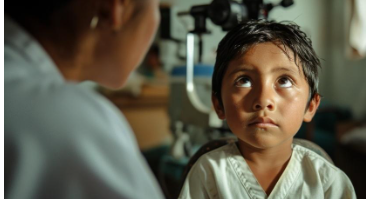
Upon discovering that their child suffers from congenital heart defect (CHD), the question that many parents ask is, “Is my child in need of immediate treatment?” The answer often varies depending on the type of heart defect that the child is suffering from. There are some congenital heart defects in infants which may be mild and therefore need not to be treated, but there are other serious congenital heart defects that necessitate immediate intervention since they may affect the supply of oxygen to the body.
Why Early Treatment May Be Necessary?
Congenital heart disease refers to a structural defect of the heart or the blood vessels attached to the heart which exist right from birth. Congenital heart defects in infants may result in blood moving abnormally through the heart. It may also alter the efficiency of the heart to pump blood and reduce the amount of oxygen available for the body.
Some children experience symptoms within a few hours to days after their birth. These symptoms include rapid breathing, feeding difficulties, excessive sweating when feeding, inadequate weight gain, blue discoloration around the lips and mouth, and unusual fatigue. Early congenital heart defect treatment can help improve and manage these problems before they create further problems.
Not Every Heart Defect Requires Immediate Treatment
Parents should know that early diagnosis does not always mean that immediate surgery will be needed. In some cases, the defect is relatively minor and may decrease or close spontaneously as the baby grows older. Other defects may have minimal effects on circulation and may be monitored by means of regular follow-ups and echocardiography. There are many criteria to be taken into consideration before suggesting the heart disorder treatment to a patient: type and size of the defect, age and weight of the child, symptoms, oxygen saturation, heart performance, development, and the influence of the condition on other organs.
Protecting Growth and Development
Another important factor that doctors may consider in recommending heart disorder treatment early on, is the impact of heart defects on the growth and development process. Infants with serious heart issues often get tired quickly when eating and are unable to ingest adequate amounts of food for their proper development. The infants often must breathe fast to carry out regular functions to compensate for the disordered cardiac function.
If the heart condition is properly taken care of through appropriate treatment, blood circulation can be improved, and the heart will not need to strain to circulate blood. This can contribute to proper feeding, growth, and general wellness of the infant. Early intervention can therefore be about more than treating the heart itself. It can help give a child a better opportunity to grow and develop normally.
Preventing Long-Term Complications
Undiagnosed cases of heart defects might result in extra stress on the heart or lungs through gradual means. Based on the case, these might cause heart chamber enlargement, heart arrhythmia, heart failure, pulmonary hypertension, among other consequences. In some instances, waiting for signs to become serious before seeking treatment might complicate things for the patient. This is the reason why, sometimes, it is advised that children undergo treatment despite having no apparent clinical symptoms.
The Importance of Regular Follow-Up for Congenital Heart Defects in Infants
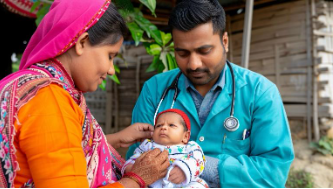
Children who have been treated for congenital heart disease still need to see the doctor from time to time. They might require additional echocardiograms, electrocardiograms, medications, and evaluation of their growth as well as physical fitness. In case parents observe any signs like shortness of breath, difficulty eating, excessive sweating, blue coloring of the skin or lips, dizziness, excessive fatigue, or poor weight gain, parents must visit the doctor.
A Hopeful Outlook
Learning that your child has congenital heart disease may be daunting at first. Nevertheless, many congenital heart diseases can be treated or corrected through surgery. In addition, there have been advancements in the field of pediatric cardiology and cardiac surgery to help ensure positive results from the procedure. It is important to seek a prompt diagnosis and devise an individualized treatment approach. Through proper and early congenital heart defect treatment, children can lead healthy and productive lives without any long-term complications or growth hinderence.
Genesis Foundation, an NGO in India, facilitates congenital heart defect treatment for children between 0-18 years of age. To get more information on how to partner, get financial support or volunteer, call +91 96506 03438 or email at contactus@genesis-foundation.net.